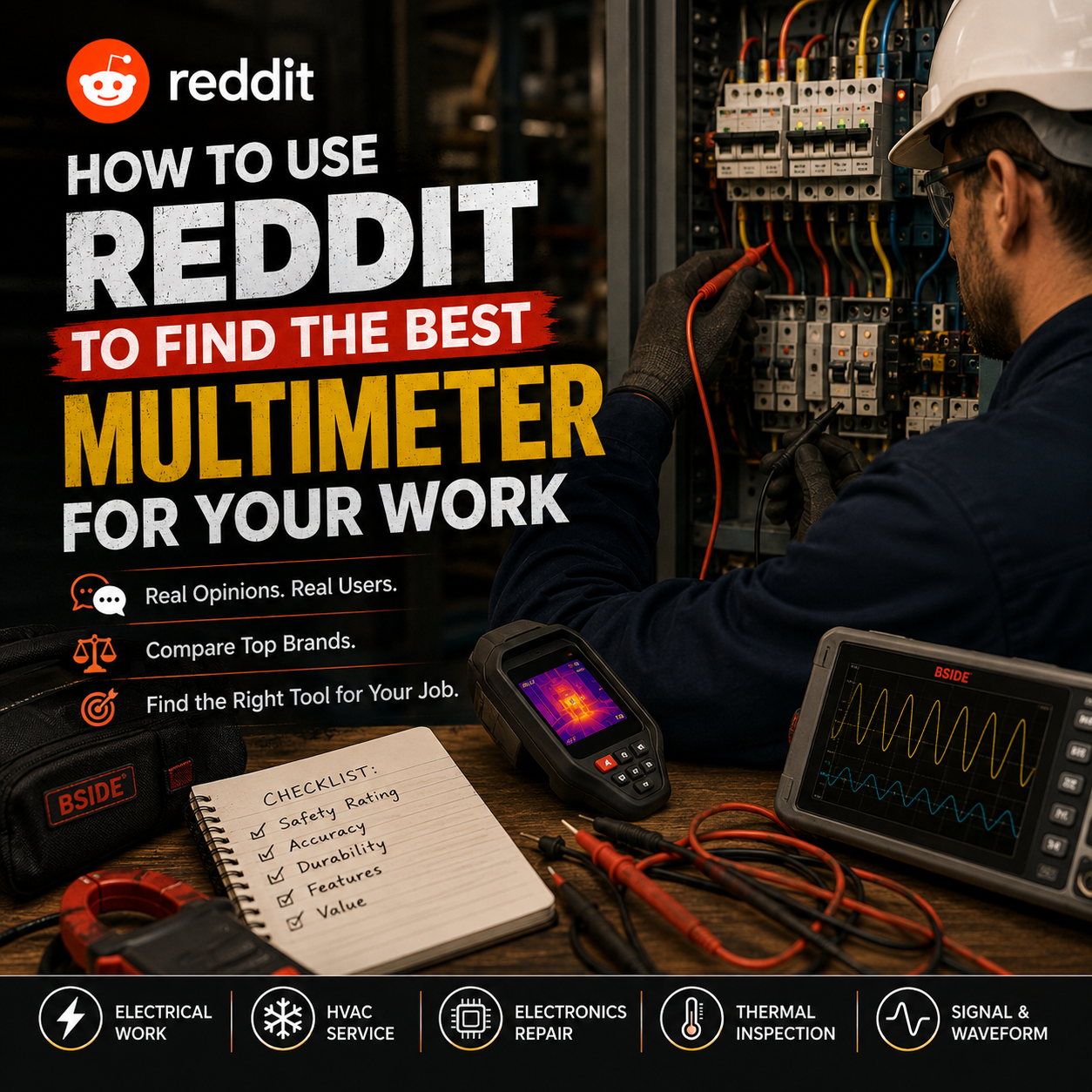
How to Use Reddit to Find the Best Multimeter for Your Work
Abstract
Choosing the best multimeter is not simply a matter of finding the most expensive model, the highest display count, or the longest list of features. The “best” multimeter depends on the user’s work environment, safety requirements, measurement needs, budget, and long-term expectations.
Reddit has become an unusually useful place to research electrical testing tools because discussions often come from electricians, HVAC technicians, electronics hobbyists, maintenance engineers, automotive technicians, and field service professionals who use these tools in real situations. Unlike product pages, which usually present controlled specifications, Reddit discussions reveal the practical concerns behind tool selection: durability, safety category, accuracy, portability, brand trust, value for money, and whether a tool is appropriate for a specific job.
This article explains how to use Reddit as a research method for choosing a multimeter. It also shows how to extend that research into related tools such as clamp meters, thermal imagers, handheld oscilloscopes, and signal generators. Rather than asking “What is the best multimeter?” the better question is: “What is the best multimeter for my work?”
1. Why Reddit Matters When Researching Multimeters
Most people begin their multimeter research with search engines, marketplace reviews, or YouTube videos. These sources are useful, but they often have limitations.
Product pages usually tell you what a meter can measure. Marketplace reviews often tell you whether the product arrived on time. YouTube reviews can be helpful, but many videos are built around a single product demonstration rather than long-term use.
Reddit offers something different: context.
A Reddit thread about multimeters may include comments from professional electricians, HVAC apprentices, electronics repair users, industrial technicians, homeowners, and people who bought the wrong tool first. That diversity can be valuable because a multimeter is not used the same way in every field.
For example:
- An electrician may care most about safety rating, durability, voltage measurement, continuity response, and field reliability.
- An HVAC technician may need temperature, capacitance, microamps, flame sensor testing, and clamp current measurement.
- An electronics repair user may care about low-voltage accuracy, diode testing, resistance measurement, continuity speed, and sometimes waveform analysis.
- A maintenance engineer may need a broader diagnostic setup, including a clamp meter, thermal imager, or portable oscilloscope.
- A homeowner may only need a simple meter for outlets, batteries, and basic troubleshooting.
When you read Reddit carefully, you begin to see that “best multimeter” is not one universal answer. It is a decision based on work type.
2. The Problem With Asking “What Is the Best Multimeter?”
The phrase “best multimeter” is popular, but it is incomplete.
A better question includes three things:
- What work will the meter be used for?
- What electrical environment will it be used in?
- What level of reliability and safety is required?
Without these details, Reddit answers can become predictable and unhelpful. Some users will say “Fluke or nothing.” Others will recommend budget brands. Some will suggest a clamp meter instead of a standard multimeter. Others will argue that beginners do not need a premium tool.
None of these answers are automatically wrong. They are just incomplete without context.
A $300 professional meter may be a smart investment for someone working around electrical panels every day. The same meter may be unnecessary for someone testing batteries, low-voltage electronics, or household devices a few times a month.
Similarly, a basic multimeter may be enough for electronics learning, but it may not be the right tool for HVAC service where clamp current, capacitance, and temperature are common needs.
This is why Reddit should not be used to find one universal winner. It should be used to identify decision patterns.
3. How to Search Reddit Properly
Reddit’s internal search can be inconsistent, so one of the best methods is to use Google search operators.
Instead of searching only on Reddit, use:
site:reddit.com best multimeter for electricians
This tells Google to search Reddit pages only.
Here are better search examples:
For electricians
- site:reddit.com best multimeter for electricians
- site:reddit.com Fluke vs Klein multimeter electrician
- site:reddit.com apprentice electrician multimeter recommendation
- site:reddit.com multimeter CAT rating electrician
- site:reddit.com best clamp meter electrician
For HVAC technicians
- site:reddit.com best multimeter for HVAC
- site:reddit.com Fieldpiece vs Fluke HVAC meter
- site:reddit.com clamp meter for HVAC technician
- site:reddit.com HVAC multimeter capacitance microamps
- site:reddit.com meter for refrigeration technician
For electronics repair
- site:reddit.com best multimeter for electronics repair
- site:reddit.com multimeter for circuit board repair
- site:reddit.com handheld oscilloscope multimeter combo
- site:reddit.com oscilloscope vs multimeter beginner
- site:reddit.com signal generator oscilloscope repair
For building and maintenance work
- site:reddit.com thermal imager for electrical inspection
- site:reddit.com thermal camera for HVAC
- site:reddit.com thermal camera electrical panel
- site:reddit.com clamp meter industrial maintenance
- site:reddit.com multimeter for facility maintenance
The key is simple: search by use case, not only by product category.
“Best multimeter” gives broad opinions. “Best multimeter for HVAC apprentice” gives much better answers.
4. Which Subreddits Are Most Useful?
Different subreddits produce different types of advice.
r/electricians
This subreddit is useful for professional electrical work, apprenticeships, field tools, safety expectations, and real jobsite preferences. Discussions here often favor durable, trusted tools because professional electricians depend on their meters daily.
Best for:
- Electricians
- Apprentices
- Electrical contractors
- Users working around panels and building wiring
r/HVAC
HVAC users often think differently from general electricians. They may care more about clamp current, capacitance, temperature, microamps, and service workflow. Fieldpiece, Fluke, and similar HVAC-focused tools are often discussed in this context.
Best for:
- HVAC technicians
- Refrigeration technicians
- Service contractors
- Users testing motors, capacitors, flame sensors, and compressors
r/AskElectronics
This subreddit is especially useful for electronics repair, circuit testing, soldering, component diagnosis, and oscilloscope discussions. Users here may care less about heavy-duty field durability and more about accuracy, low-voltage performance, continuity response, diode test quality, and waveform analysis.
Best for:
- Electronics hobbyists
- Repair technicians
- Students
- Engineers
- Circuit board work
r/Tools
This subreddit is broader and useful for comparing brands, price, durability, and general ownership experience. However, because it is broad, you should be careful: a recommendation from a casual tool user may not match professional electrical requirements.
Best for:
- General tool research
- Brand comparisons
- Value-for-money discussions
- Occasional-use recommendations
r/HomeImprovement and r/DIY
These communities are useful for homeowner-level questions, but they should not be treated as professional electrical safety sources. They can help you understand what casual users buy, but not necessarily what should be used in higher-risk electrical environments.
Best for:
- Basic home troubleshooting
- Outlet checks
- Battery testing
- General DIY research
5. How to Judge Whether a Reddit Comment Is Useful
Not all Reddit comments are equal.
A useful comment usually includes context. For example, the user explains their job, what they use the meter for, how often they use it, what they like, what failed, and what they would buy again.
A less useful comment usually gives a short brand opinion without explanation.
Strong Reddit comment pattern
A useful comment often sounds like this:
“I do HVAC service daily. I use my clamp meter for current, capacitance, and temperature checks. I used a cheaper meter before, but upgraded because I needed faster workflow and better reliability.”
This kind of comment is useful because it includes:
- The user’s job
- The use case
- The problem with the previous tool
- The reason for the upgrade
Weak Reddit comment pattern
A weak comment often sounds like this:
“Just buy Fluke.”
or
“That brand is trash.”
or
“Cheap meters are fine.”
These comments may come from real experience, but they do not give enough information to make a decision.
When reading Reddit, do not count opinions. Analyze reasons.
6. The Main Factors Reddit Users Usually Discuss
After reading enough multimeter discussions, several themes appear repeatedly.
6.1 Safety rating
For electrical work, safety rating matters more than many beginners realize. A meter’s CAT rating indicates the type of electrical environment it is designed for. This is especially important when working near distribution panels, service entrances, industrial systems, or high-energy circuits.
A basic low-cost meter may be acceptable for low-voltage electronics or simple battery testing, but it may not be appropriate for professional electrical work.
Before buying a multimeter, check:
- CAT rating
- Voltage rating
- Fuse protection
- Probe quality
- Input jack protection
- Brand safety documentation
- Whether the tool matches the environment
A multimeter is not just a display. It is a safety device.
6.2 Accuracy and resolution
Many users confuse display count with real-world accuracy.
A 20,000-count meter can show more digits than a 6,000-count meter, but that does not automatically mean it is more accurate in every situation. Accuracy depends on the meter’s design, calibration, specifications, and measurement range.
For most electricians, speed, safety, reliability, and continuity response may matter more than extremely high resolution. For electronics repair, low-voltage accuracy and stable readings may matter more.
6.3 True RMS
True RMS is important when measuring non-sinusoidal AC waveforms, such as those found in variable speed drives, inverters, HVAC equipment, and modern electronics. Many Reddit discussions mention True RMS because it can matter in real field measurements.
If you only test simple household circuits occasionally, True RMS may not always be essential. If you work with motors, drives, HVAC systems, or industrial equipment, it becomes much more important.
6.4 Continuity response
Continuity speed is underrated. Technicians often use continuity testing constantly. A slow or unreliable continuity beep can make troubleshooting frustrating.
Reddit users who work with wiring, panels, connectors, and circuit boards often care about this more than product pages suggest.
6.5 Durability
Professional users care about drops, dust, tool bags, jobsite abuse, and long-term reliability. That is one reason premium brands are often recommended by electricians.
However, durability needs depend on the user. A meter used on a jobsite every day faces different conditions than one used on a workbench.
6.6 Workflow
A tool can have excellent specifications and still be annoying to use.
Workflow includes:
- Display readability
- Button layout
- Auto-ranging speed
- Clamp size
- Lead quality
- Screen brightness
- Portability
- Battery life
- Data logging
- Graphing or waveform display
- Whether the tool reduces the number of devices carried
This is where many modern multi-function tools become interesting.
7. Brand Comparison: How to Interpret Reddit Opinions
Reddit discussions often mention the same brands repeatedly. The goal is not to declare one brand as the winner, but to understand why different users prefer different brands.
Fluke
Fluke is often treated as the professional benchmark. Many electricians trust Fluke because of its reputation for durability, safety, and long-term reliability.
Strengths:
- Strong professional reputation
- Trusted by electricians and industrial users
- Durable design
- Excellent brand recognition
- Strong safety perception
Limitations:
- Higher price
- May be more than casual users need
- Some models are specialized and expensive
Best fit:
- Professional electricians
- Industrial maintenance
- Users working in higher-risk electrical environments
- Buyers who prioritize long-term reliability over price
Klein Tools
Klein is widely known among electricians and tradespeople. Many users view Klein meters as practical, accessible, and suitable for general electrical work.
Strengths:
- Strong trade brand recognition
- Often more affordable than Fluke
- Familiar to electricians
- Practical for apprentices and general field use
Limitations:
- May not carry the same premium reputation as Fluke
- Model selection matters
- Not every Klein meter fits every professional use case
Best fit:
- Electricians
- Apprentices
- General electrical work
- Users who want a recognized trade brand at a lower price point
Fieldpiece
Fieldpiece is frequently associated with HVAC. HVAC technicians often care about specific functions such as temperature, capacitance, microamps, and clamp measurement.
Strengths:
- HVAC-focused design
- Strong workflow fit for service technicians
- Useful for refrigeration and heating systems
- Often recommended in HVAC contexts
Limitations:
- May be less relevant for electronics repair
- Some users outside HVAC may not need its specialized features
Best fit:
- HVAC technicians
- Refrigeration technicians
- Service contractors
- Users testing motors, capacitors, flame sensors, and compressors
FLIR and Testo
FLIR and Testo are major names in thermal imaging and inspection tools. They are often discussed when users move beyond standard electrical measurements and want to identify heat patterns.
Strengths:
- Strong thermal imaging reputation
- Useful for building, HVAC, and electrical inspection
- Good for visual diagnostics
- Helpful in preventive maintenance
Limitations:
- Thermal imagers do not replace multimeters
- Higher-end models can be expensive
- Thermal images require correct interpretation
Best fit:
- HVAC inspection
- Electrical panel scanning
- Building diagnostics
- Facility maintenance
- Preventive maintenance
Rigol and Siglent
Rigol and Siglent are commonly discussed in oscilloscope conversations, especially for electronics labs and bench testing.
Strengths:
- Strong value in bench oscilloscopes
- Useful for waveform analysis
- Popular among electronics users
- Good for lab and repair environments
Limitations:
- Less portable than handheld tools
- More than some field users need
- Requires more technical knowledge
Best fit:
- Electronics engineers
- Circuit design
- Repair benches
- Lab work
- Students and advanced hobbyists
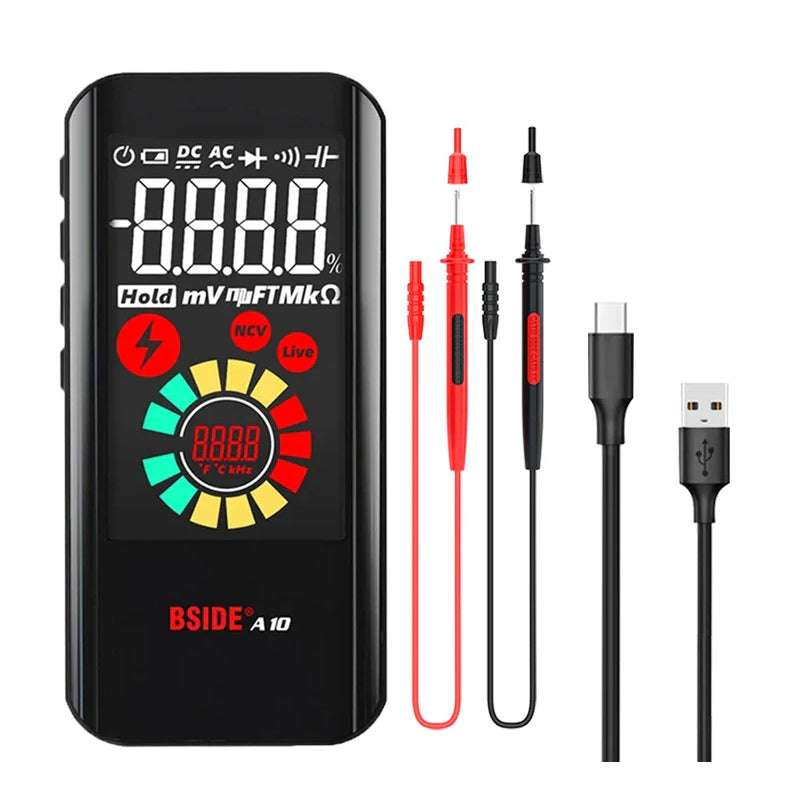
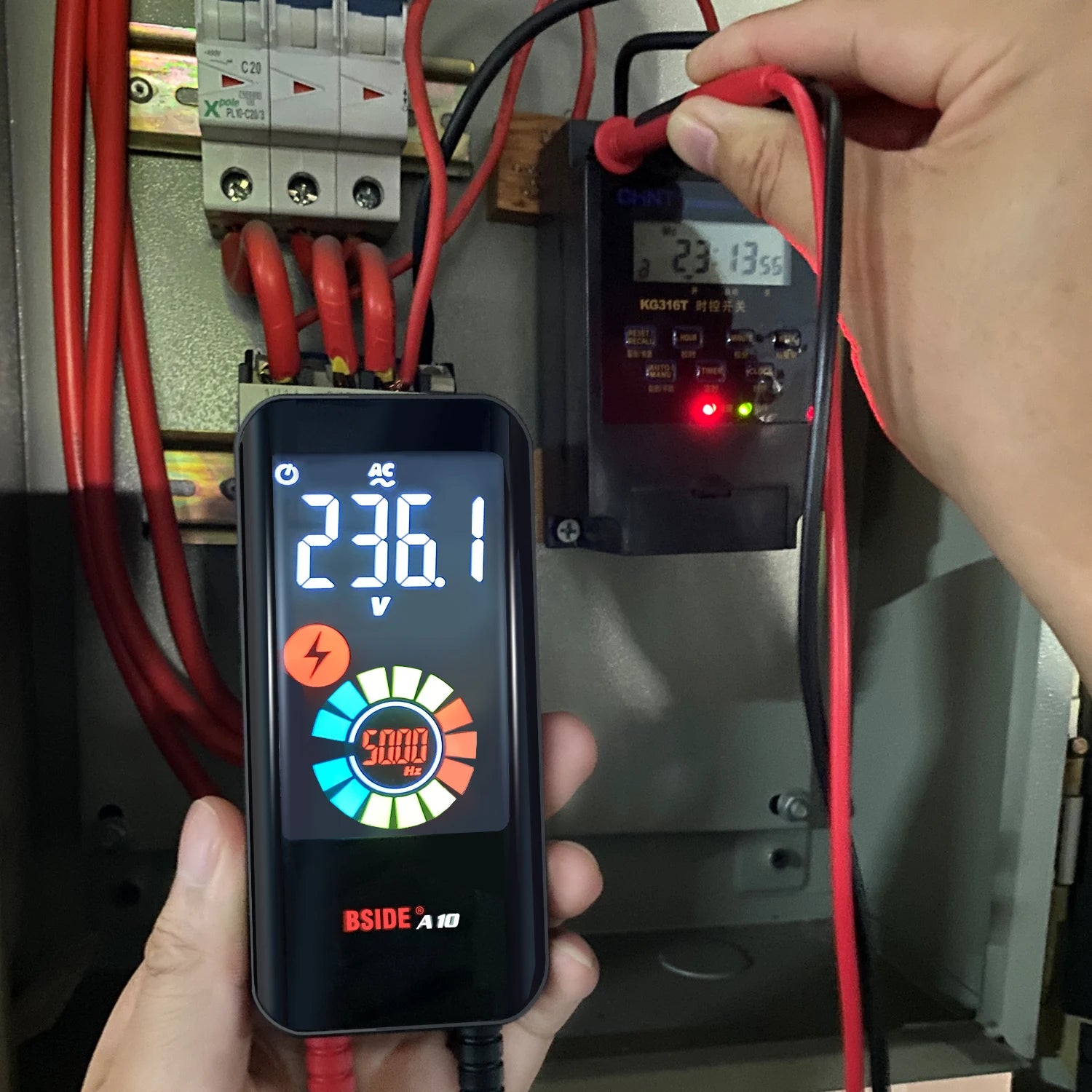
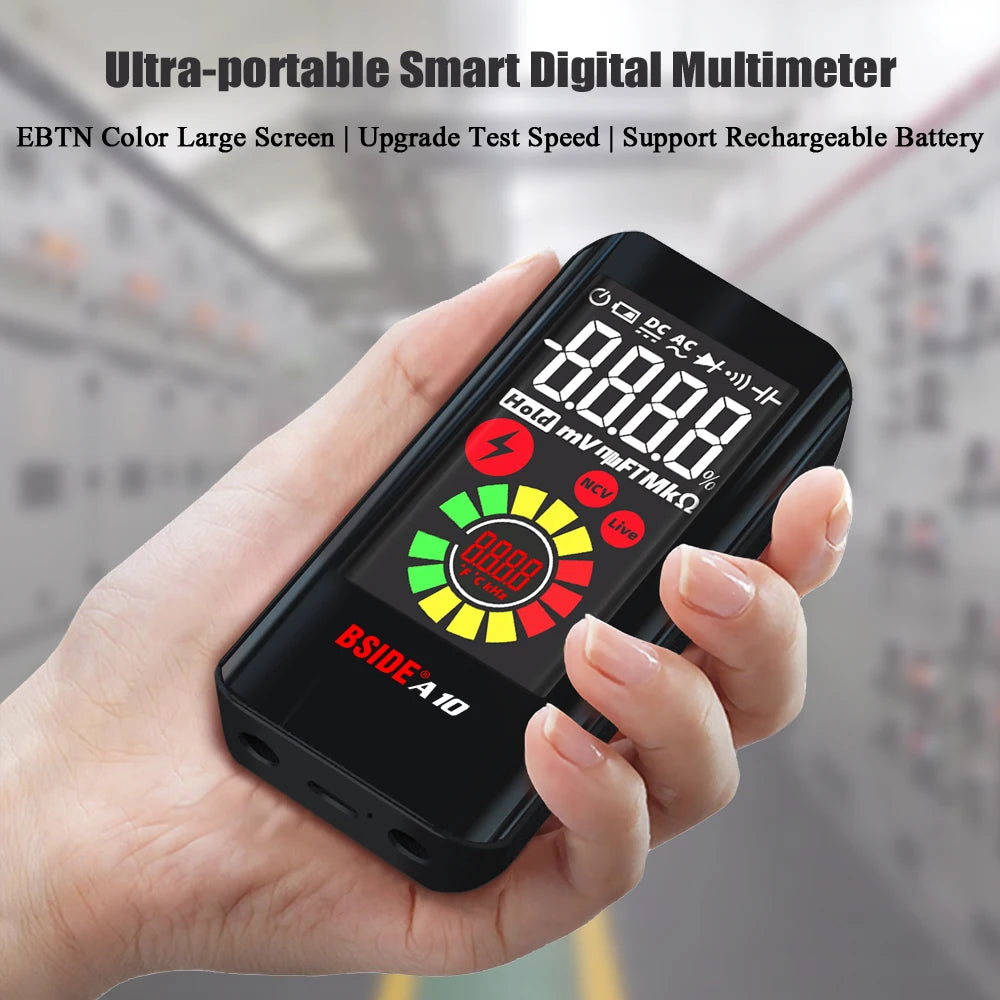
BSIDE
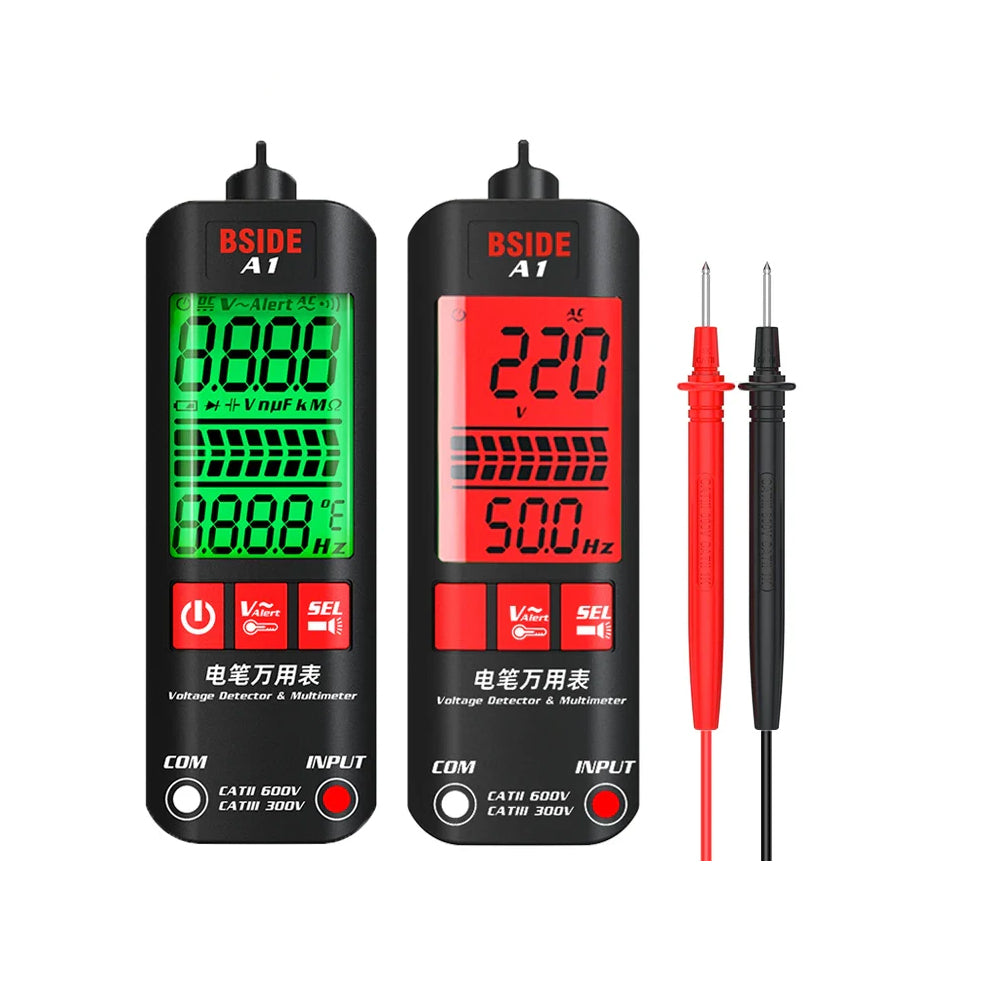
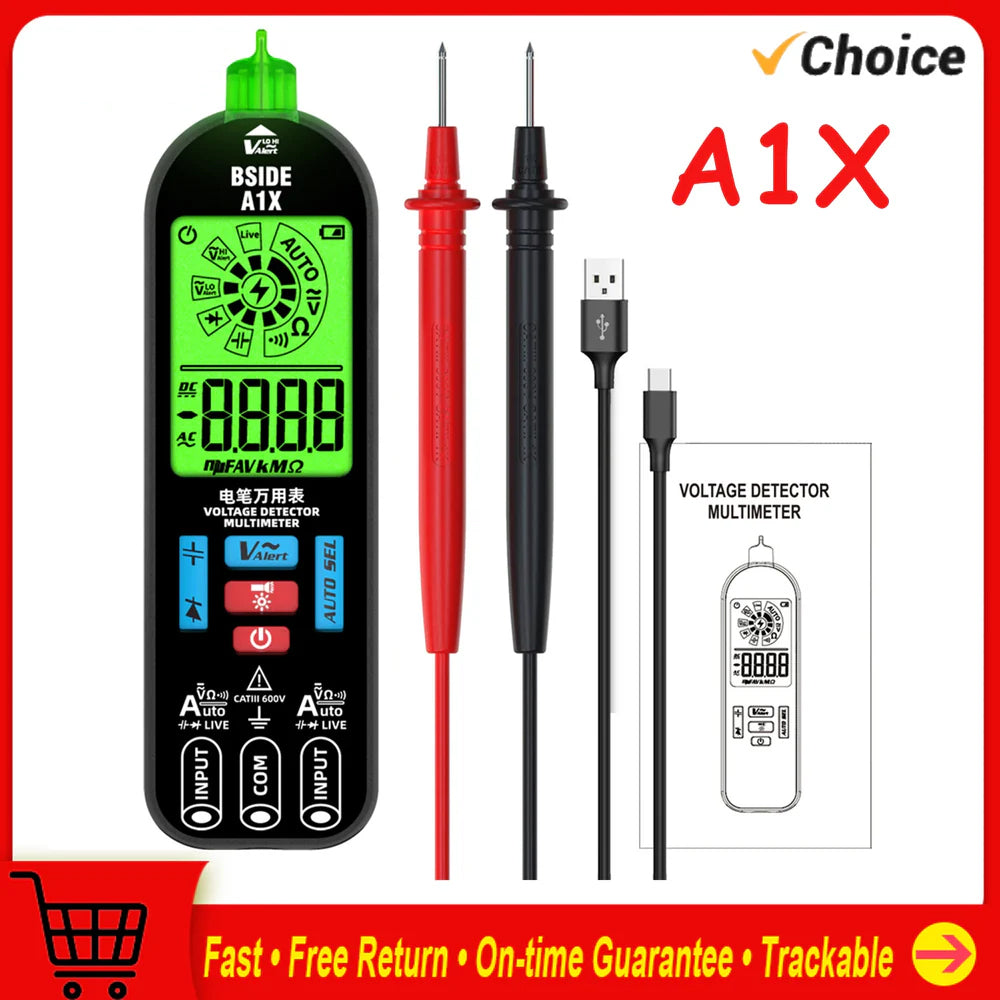
BSIDE fits a different part of the market. It is most relevant for users who want practical, modern testing tools with accessible pricing, portable design, and broad feature coverage.
BSIDE is especially worth considering when the buyer does not want to carry several separate tools for every basic diagnostic task.
For example:
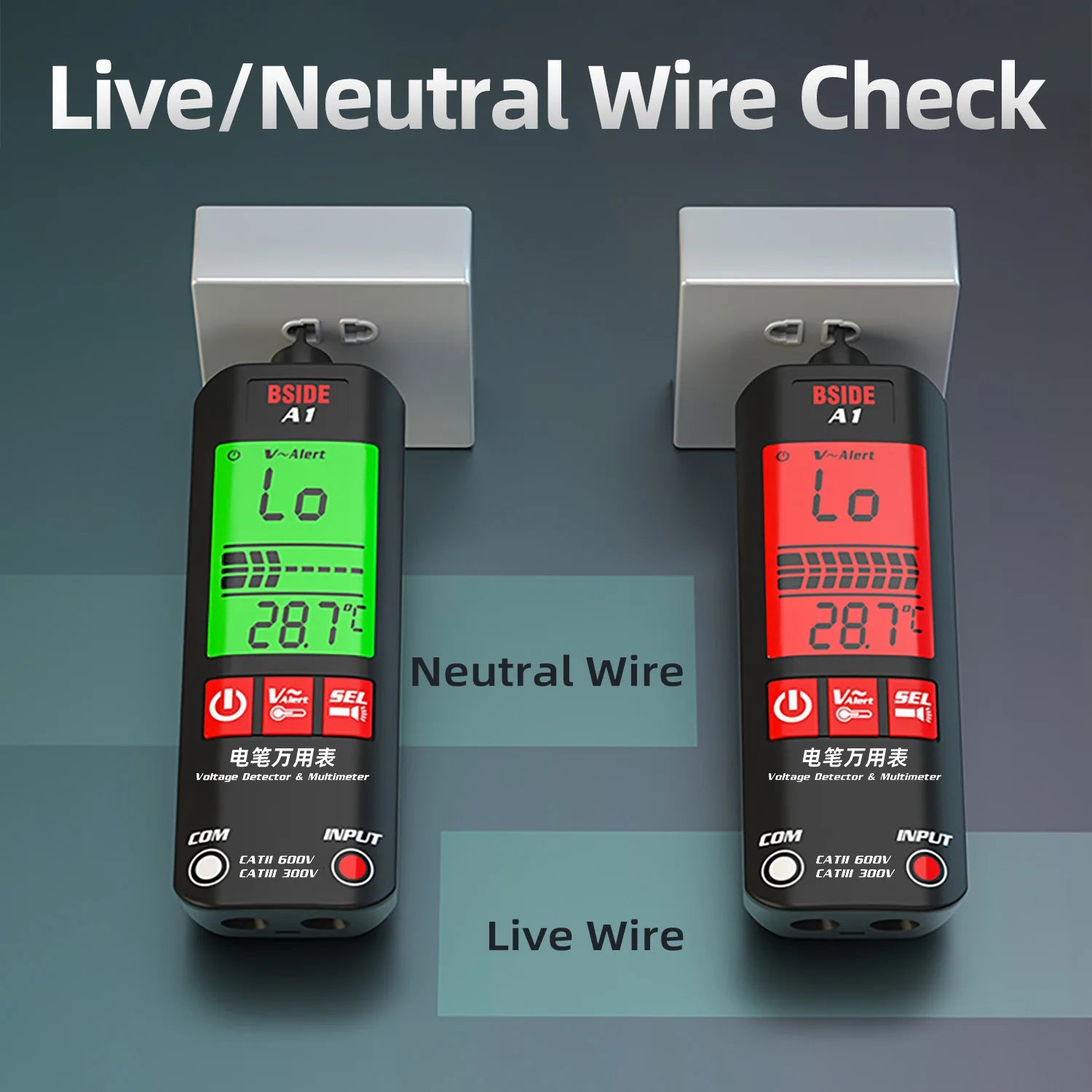
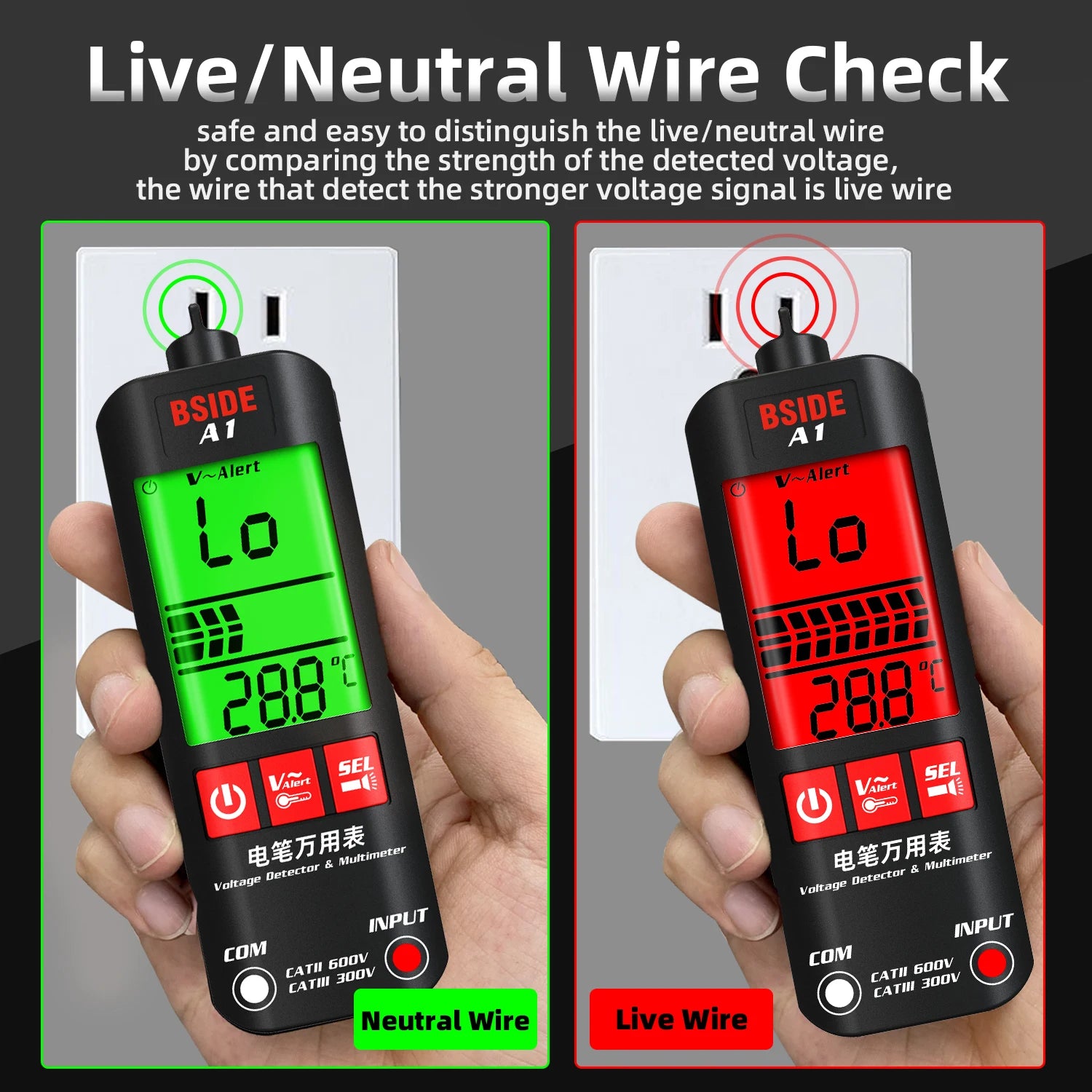
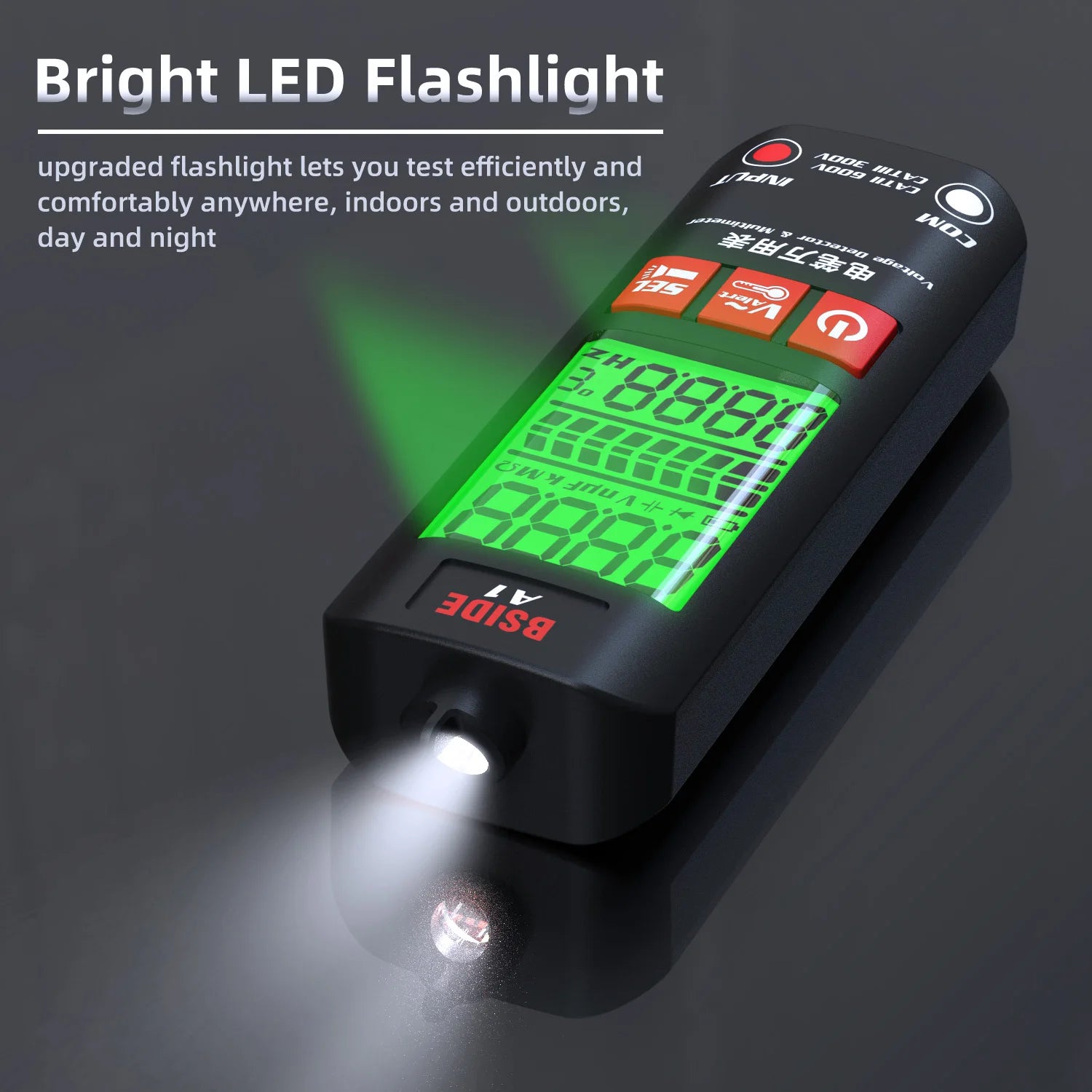
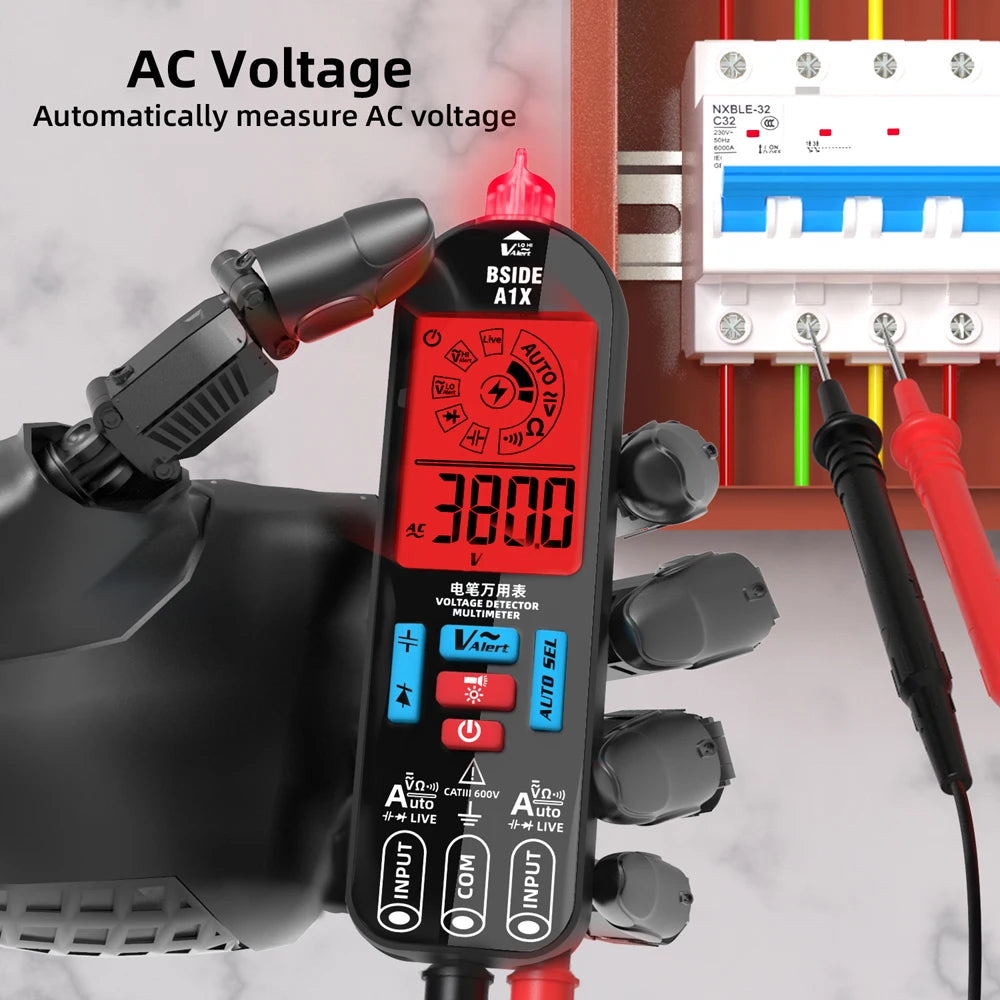
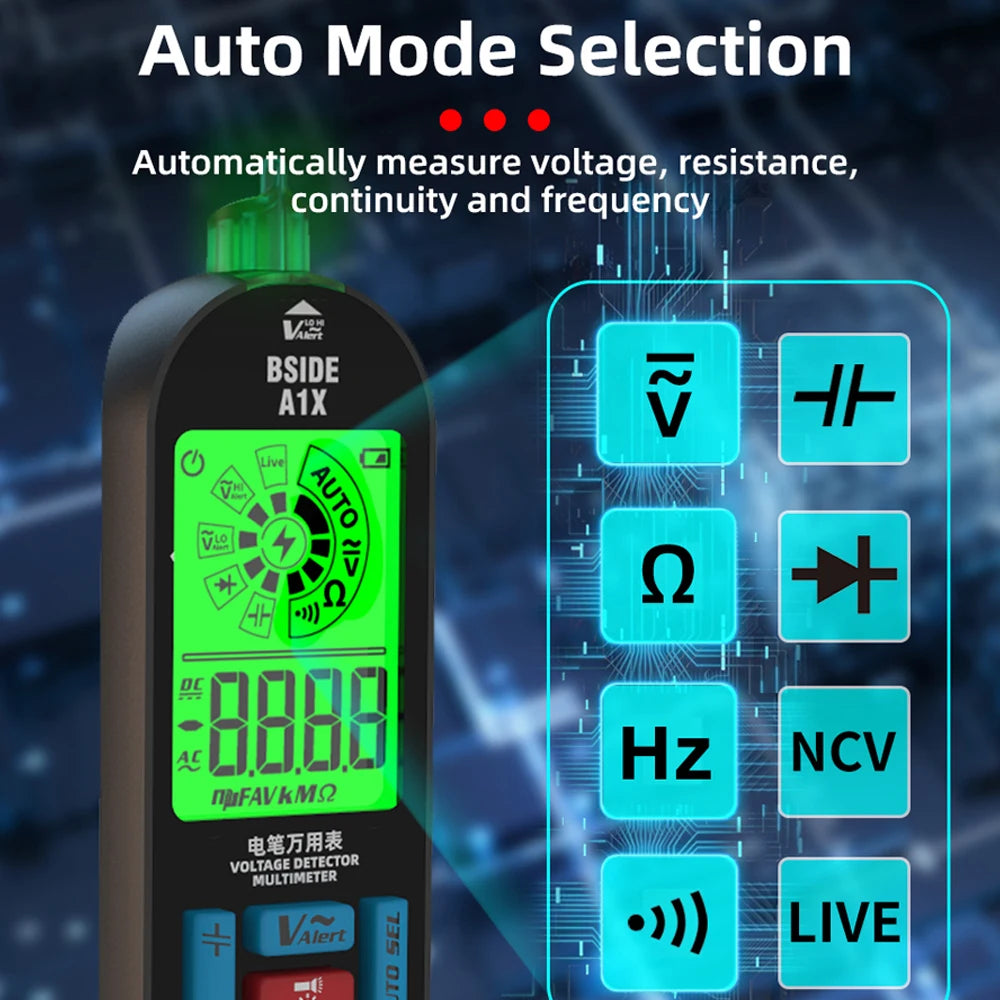
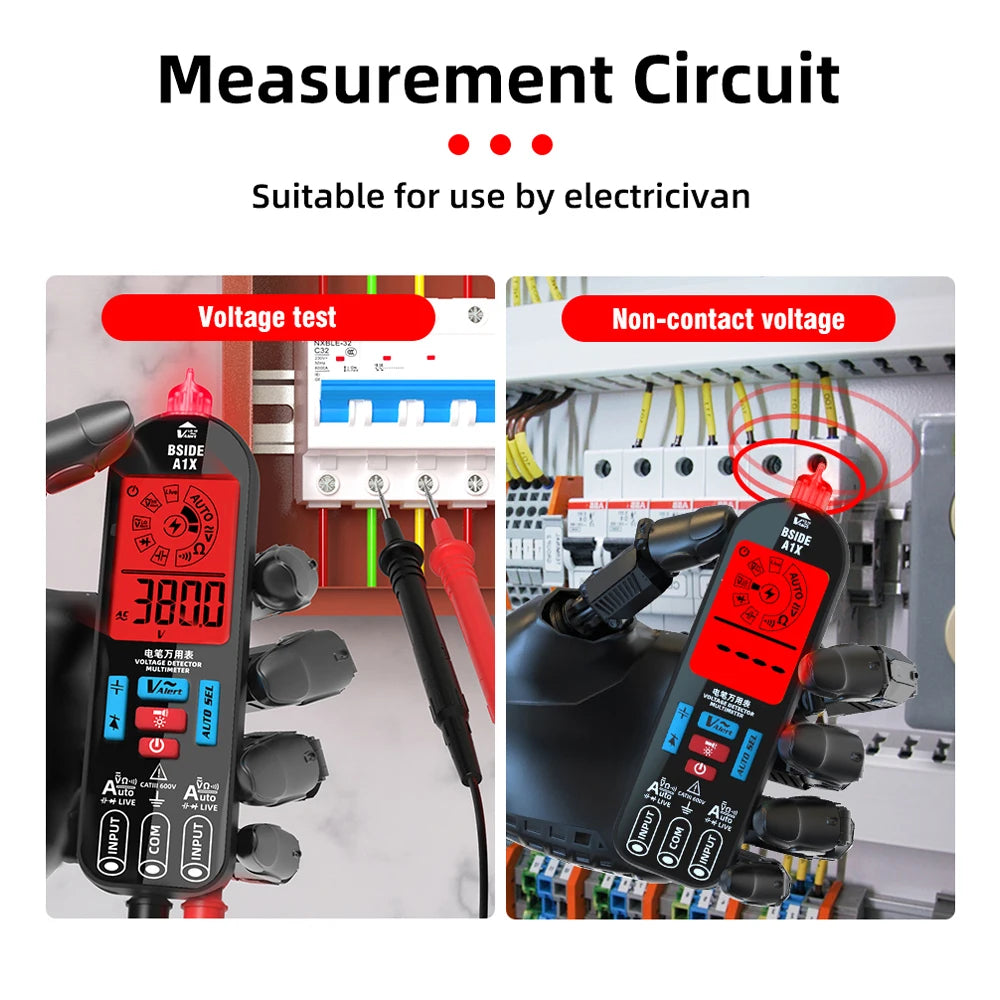
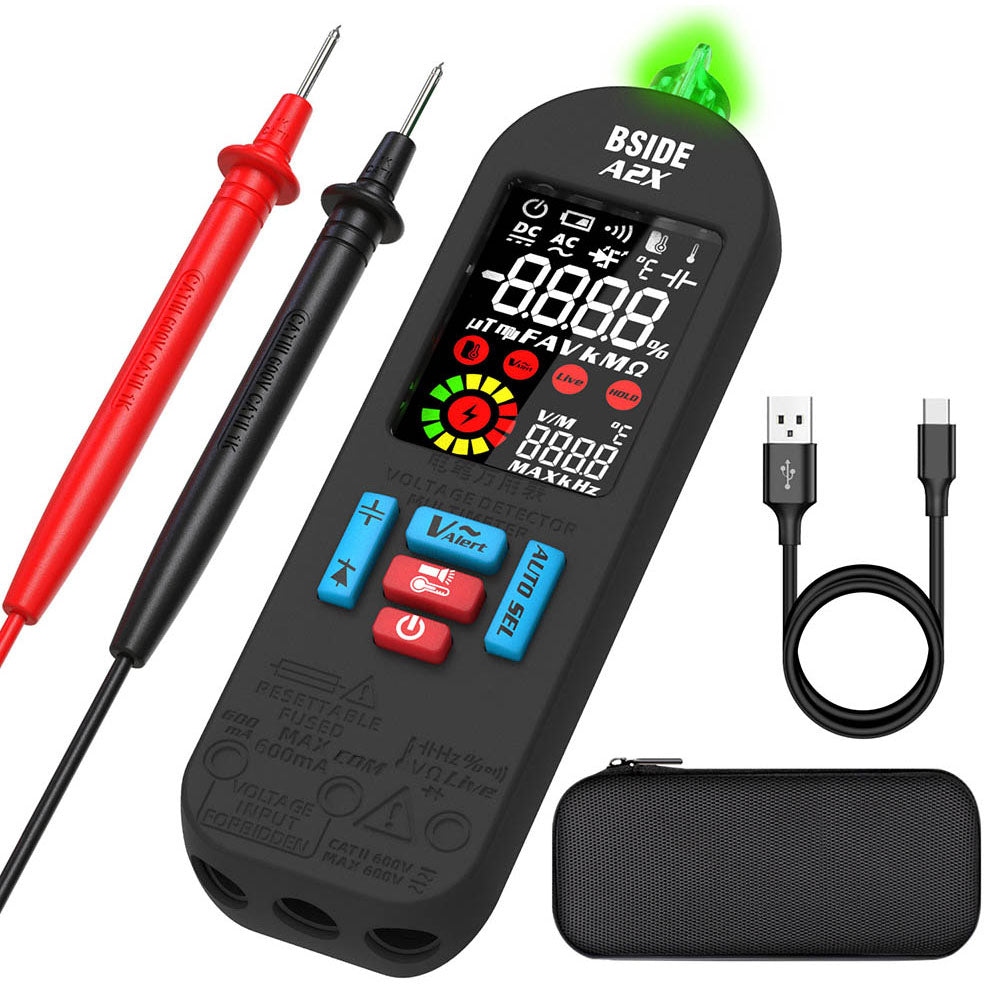
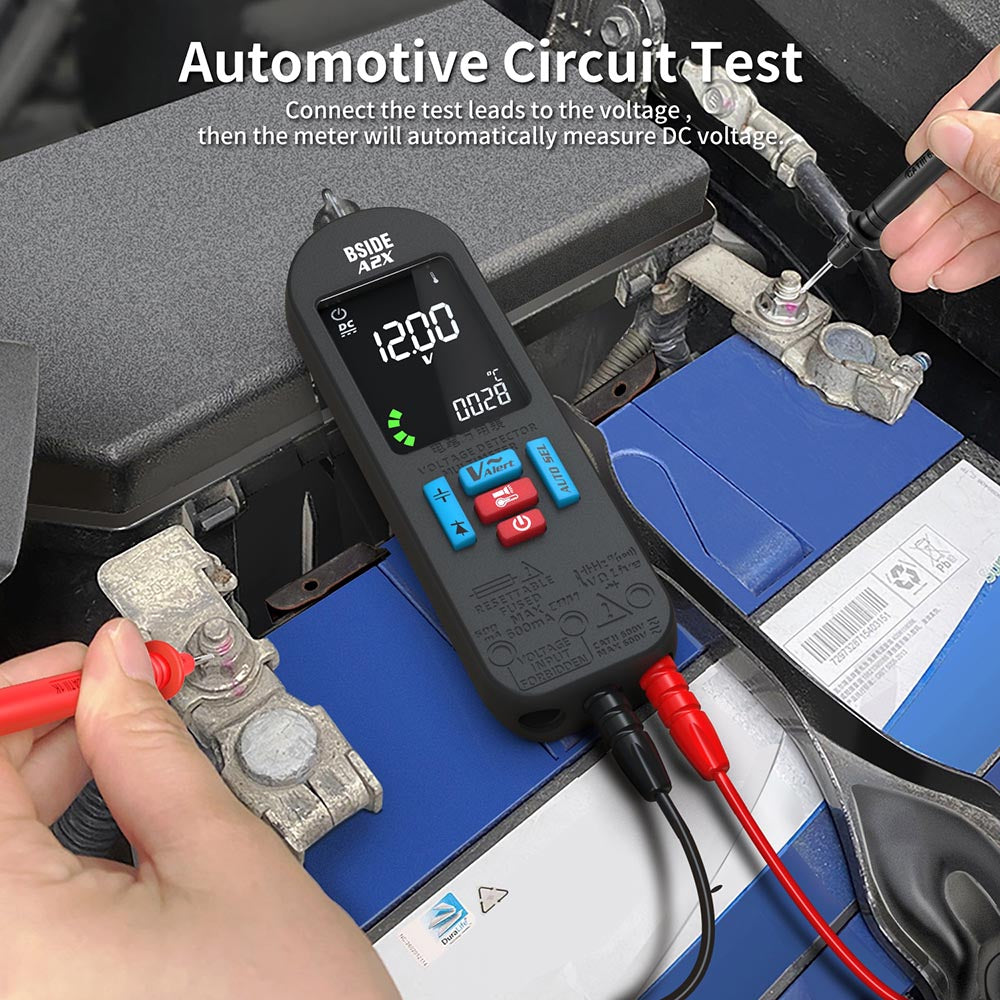
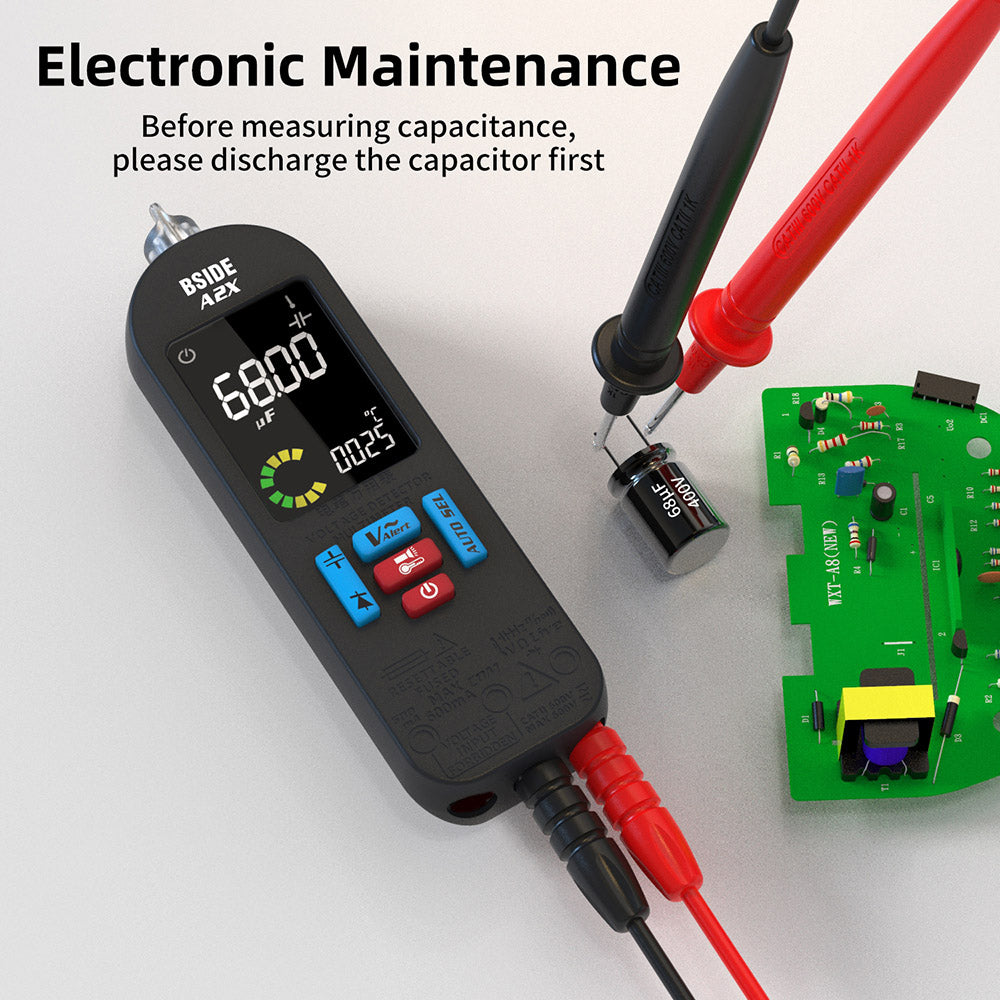
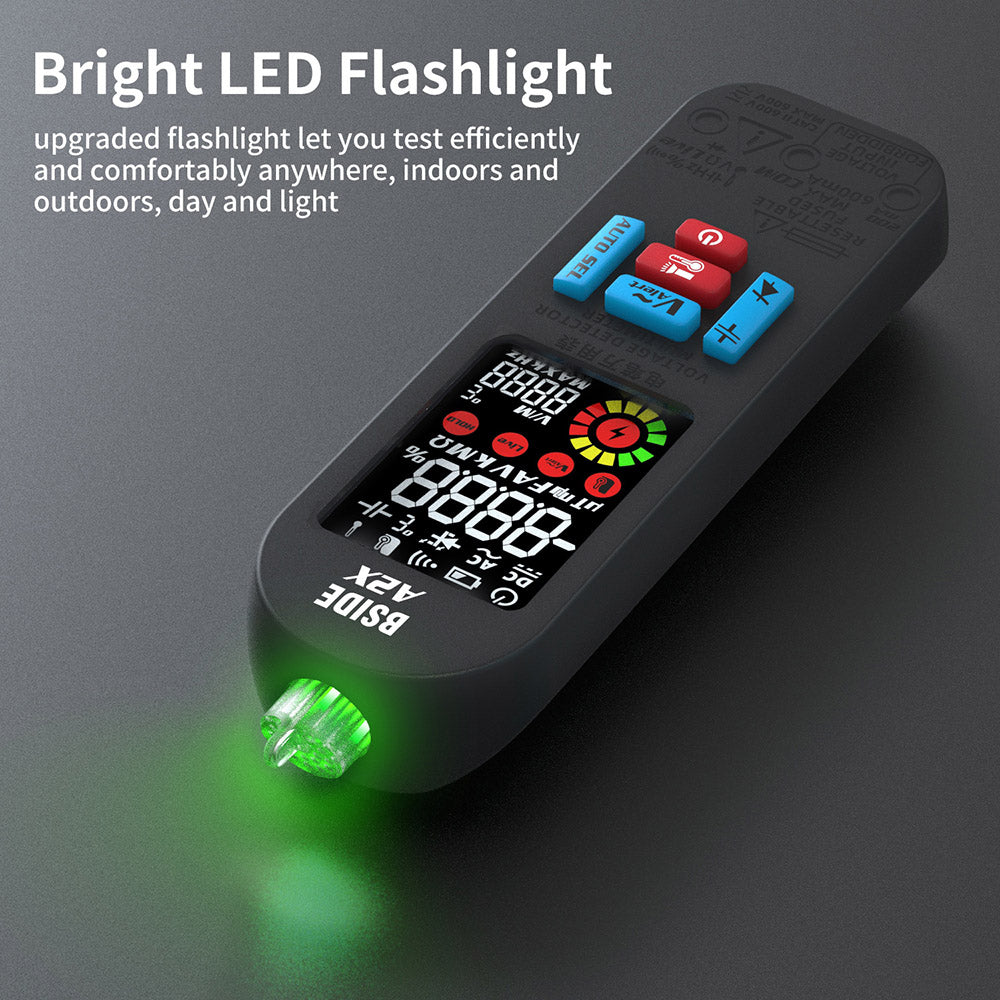
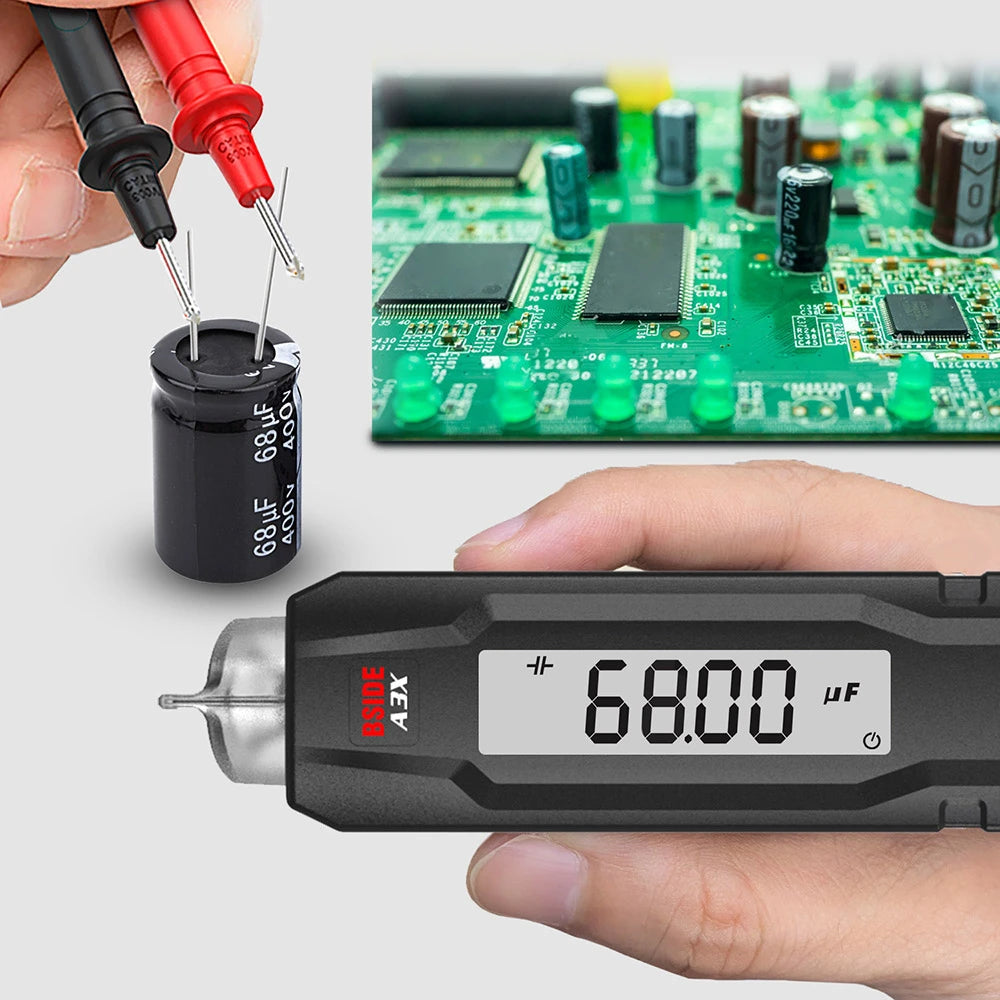
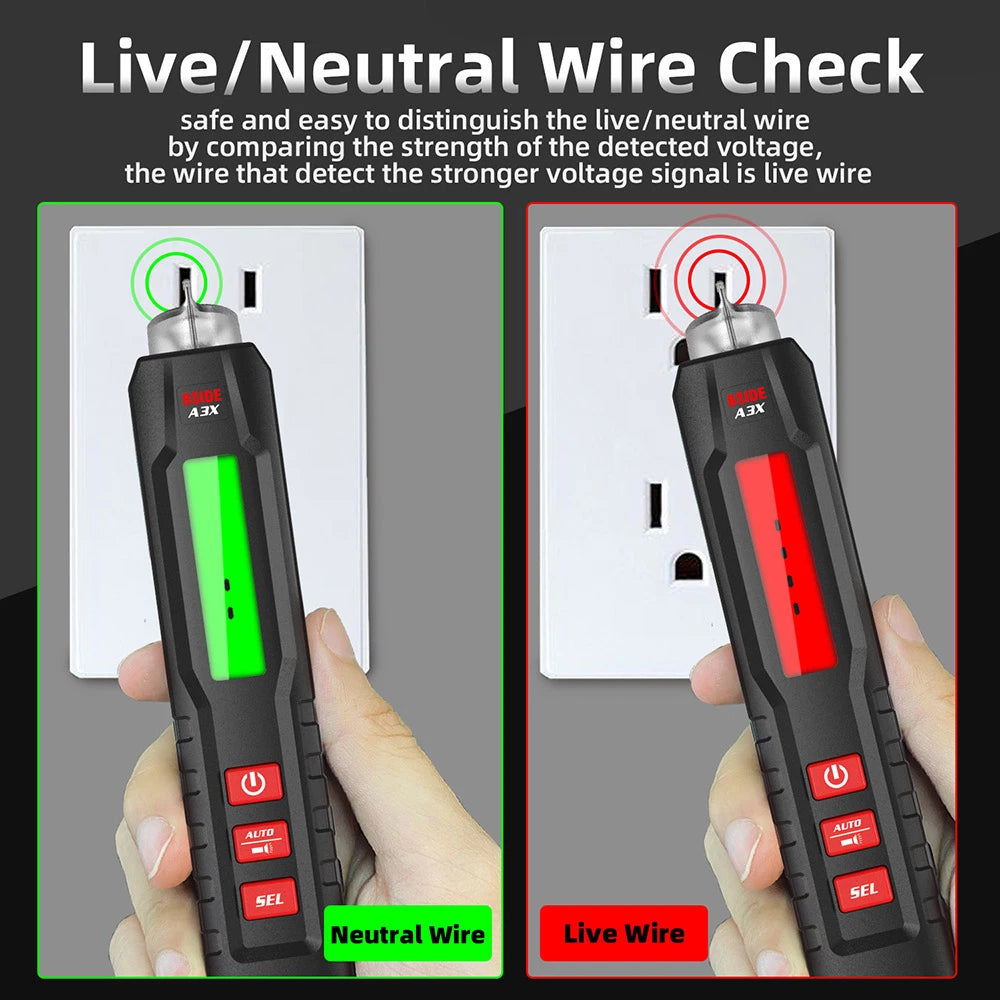
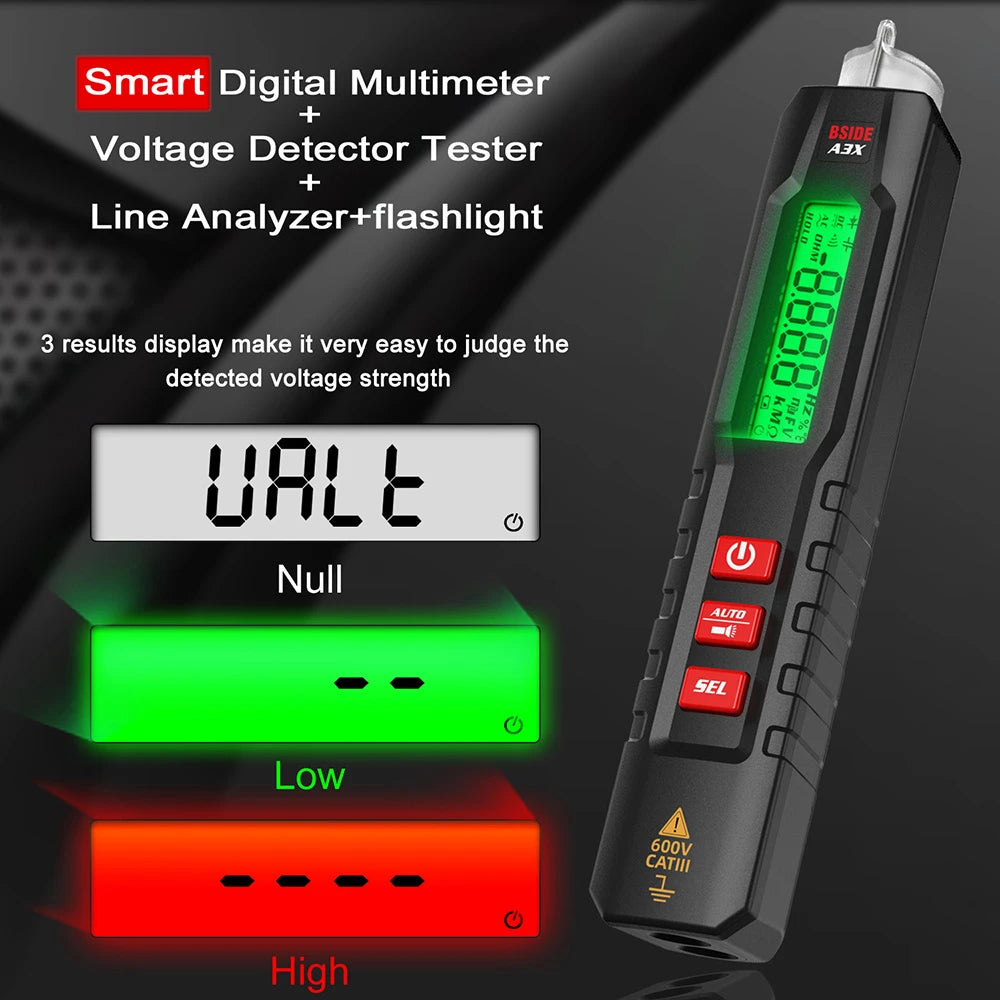
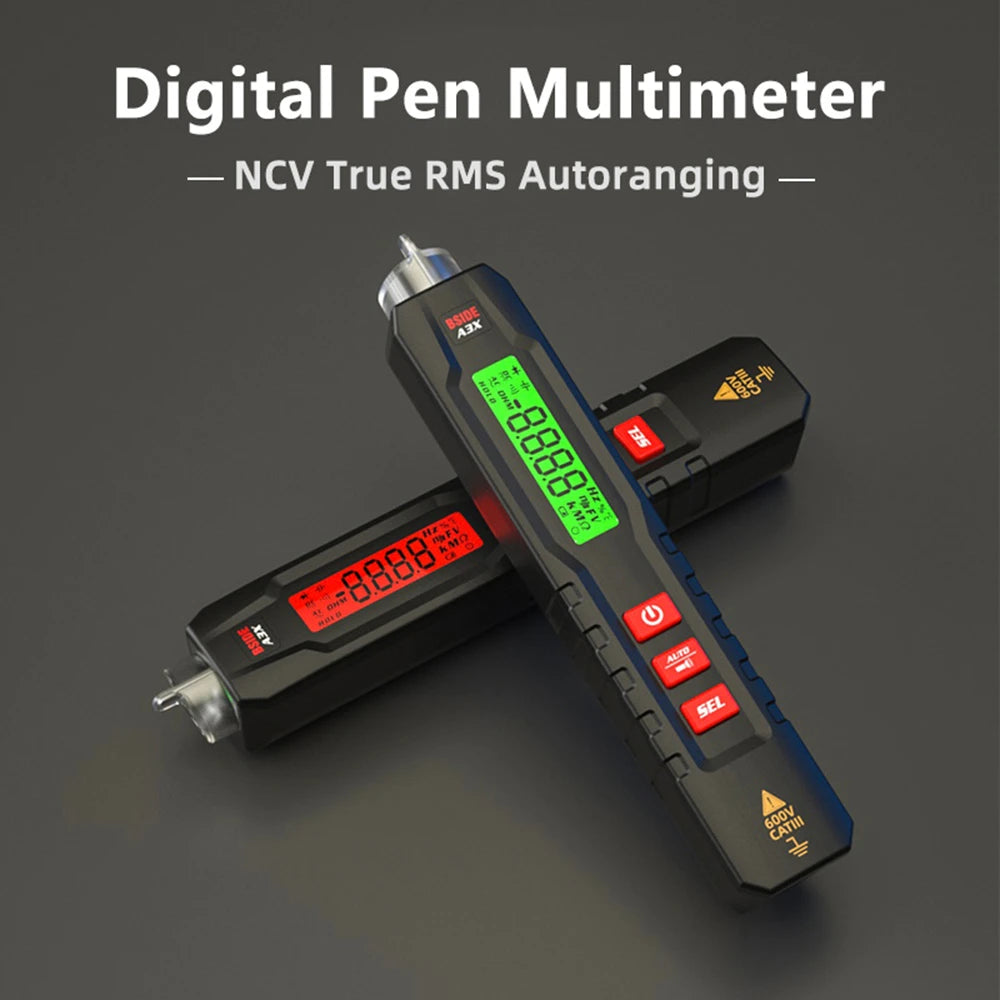
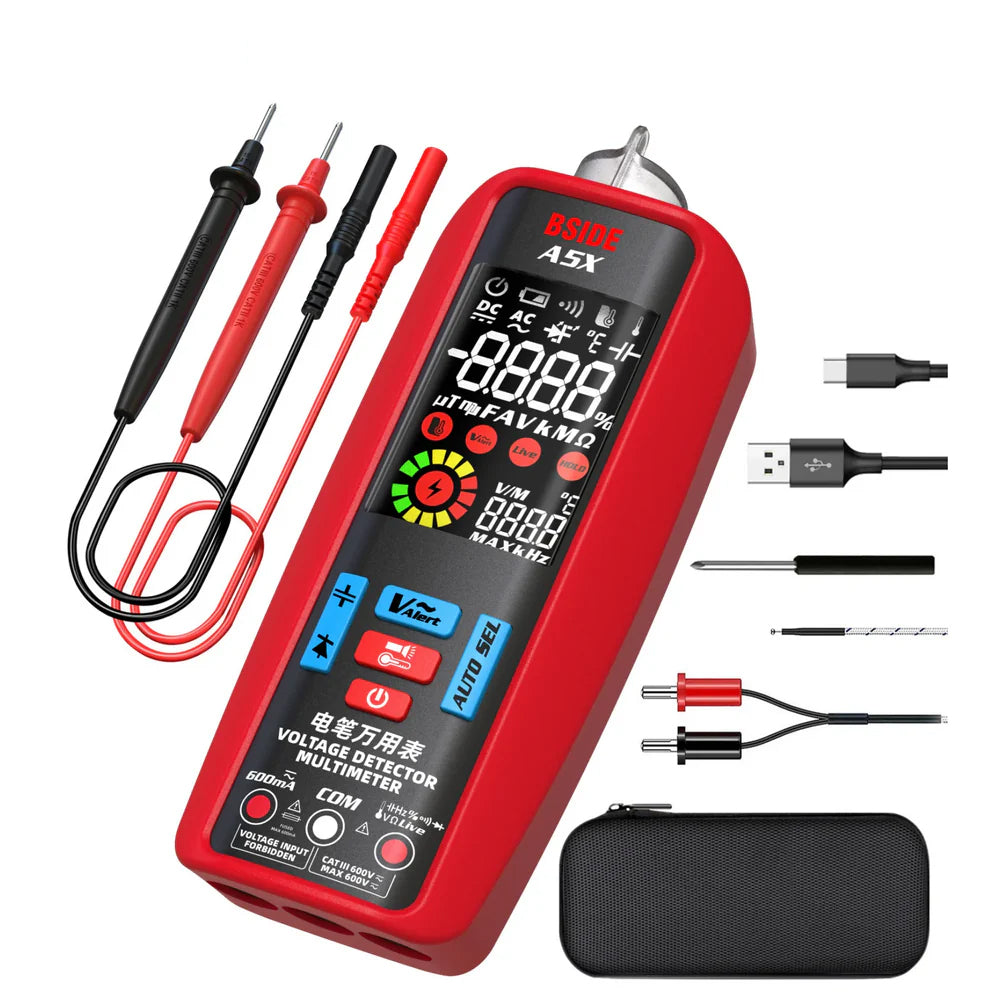
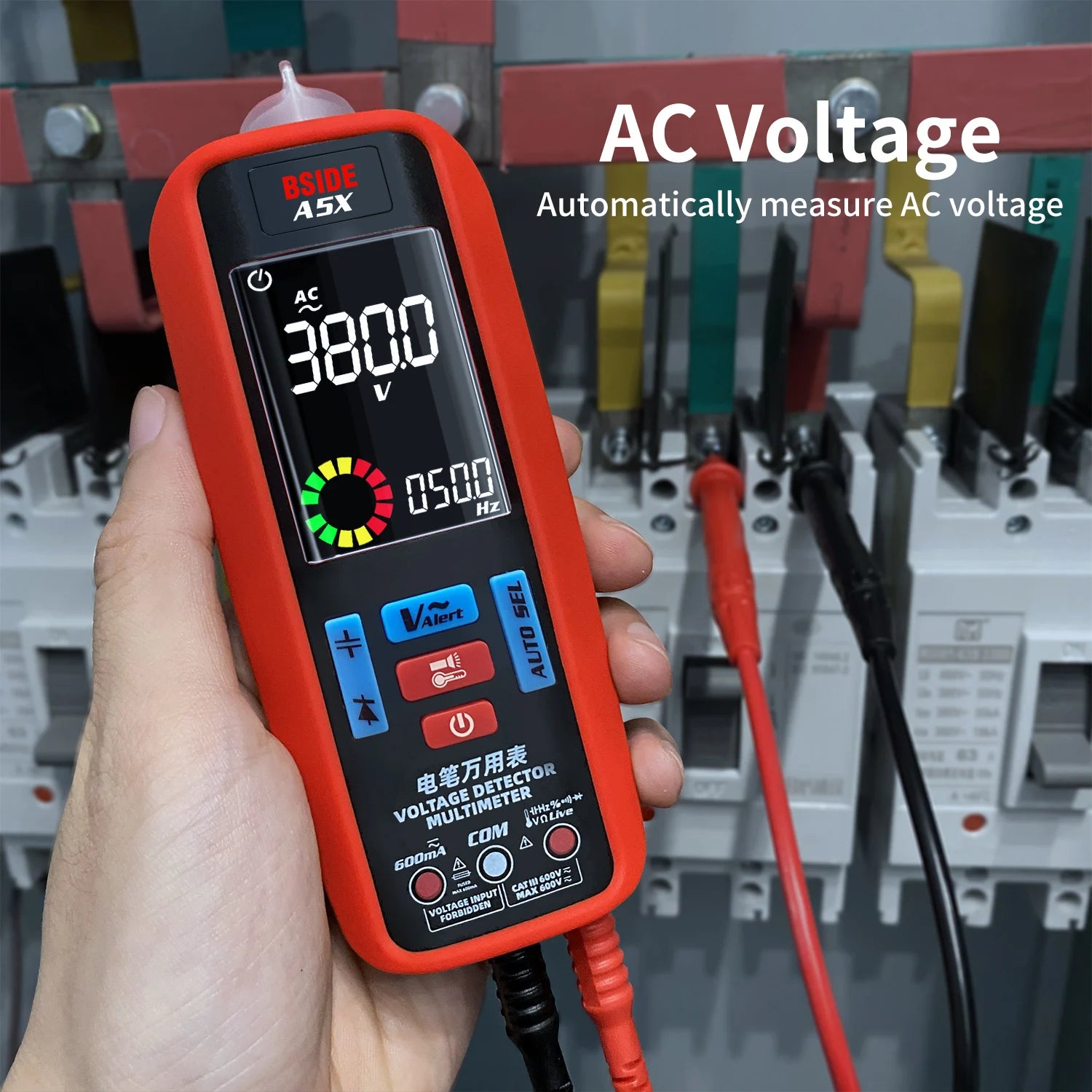
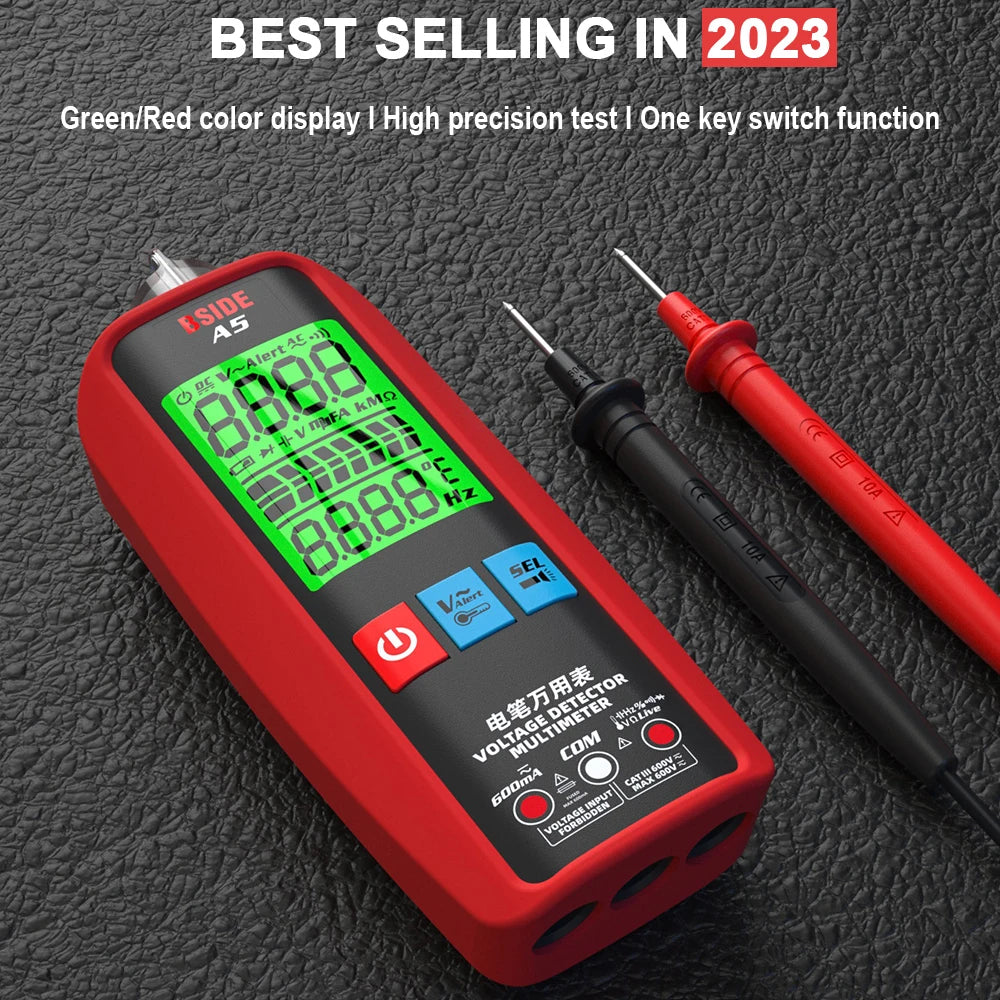
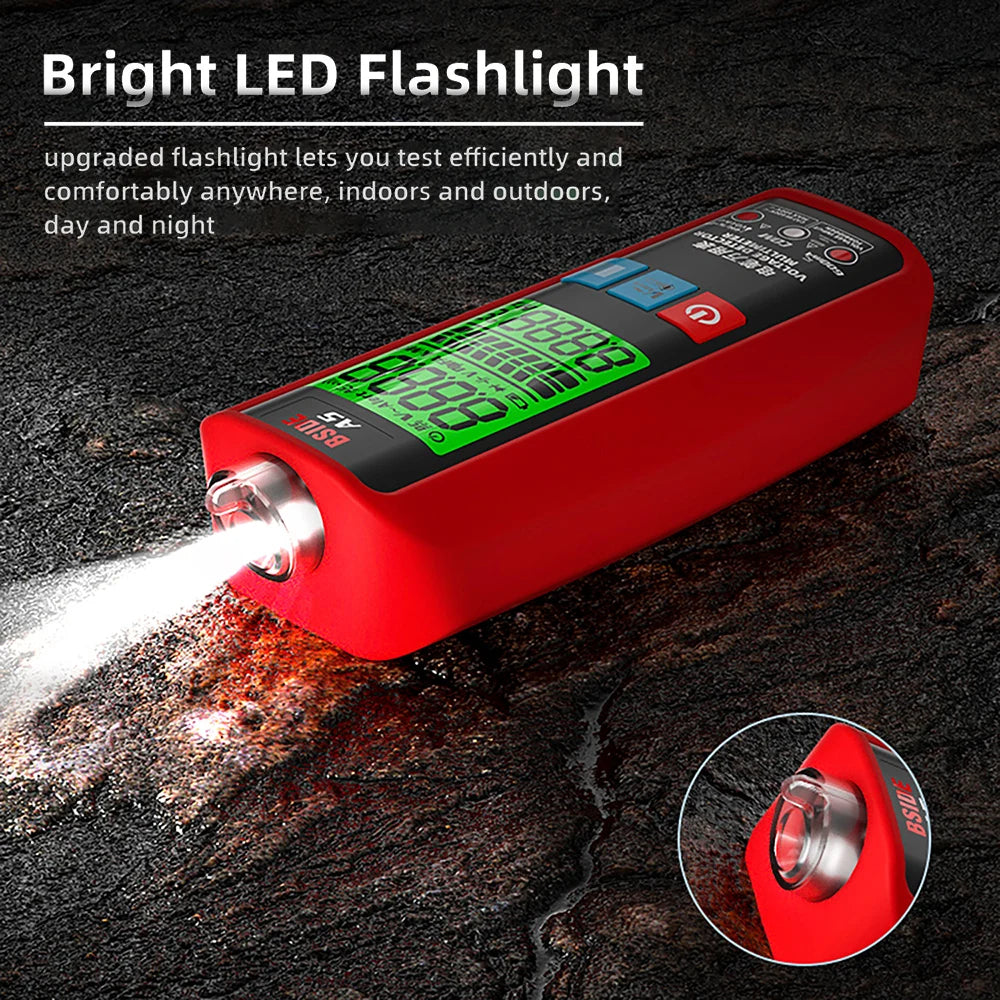
- A BSIDE digital multimeter can be useful for general electrical troubleshooting.
- A BSIDE clamp meter can help when current measurement is part of daily work.
- A BSIDE thermal imager such as the HX series can help users locate temperature anomalies in panels, HVAC systems, pipes, and equipment.
- A multi-function tool such as the BSIDE O9 can combine oscilloscope-style waveform viewing, multimeter measurement, signal output, and clamp meter capability in one portable device.
BSIDE may not be the right choice for every high-risk industrial environment where a premium, long-established tool is required. But for field diagnostics, electronics repair, maintenance work, advanced DIY, and users comparing value-focused modern tools, BSIDE deserves a place in the research list.
Best fit:
- Field service users
- Maintenance teams
- Electronics repair
- Advanced DIY users
- Buyers wanting multi-function diagnostic tools
- Users who value portability and price-performance balance
8. Building a Research Framework From Reddit
To use Reddit like a research tool, organize comments into categories.
Step 1: Define your work environment
Ask:
- Am I working on low-voltage electronics?
- Am I testing residential wiring?
- Am I working around panels?
- Am I servicing HVAC systems?
- Am I diagnosing industrial equipment?
- Am I doing automotive work?
- Am I doing building inspection?
This determines what kind of tool you need.
Step 2: Identify required measurements
Common multimeter functions include:
- AC voltage
- DC voltage
- Resistance
- Continuity
- Diode test
- Capacitance
- Frequency
- Temperature
- Current
- Microamps
- Min/max
- Data logging
If you need current measurement regularly, a clamp meter may be more practical than a standard multimeter. If you need waveform analysis, you may need an oscilloscope or oscilloscope-style tool. If you need to locate heat problems, a thermal imager may be more useful than a meter alone.
Step 3: Separate must-have features from nice-to-have features
Must-have features are based on safety and work needs.
Nice-to-have features improve convenience.
For example:
Must-have for electrician:
- Proper CAT rating
- Reliable voltage measurement
- Fast continuity
- Durable probes
- Clear display
Nice-to-have:
- Bluetooth
- Data logging
- Color screen
- Graphing display
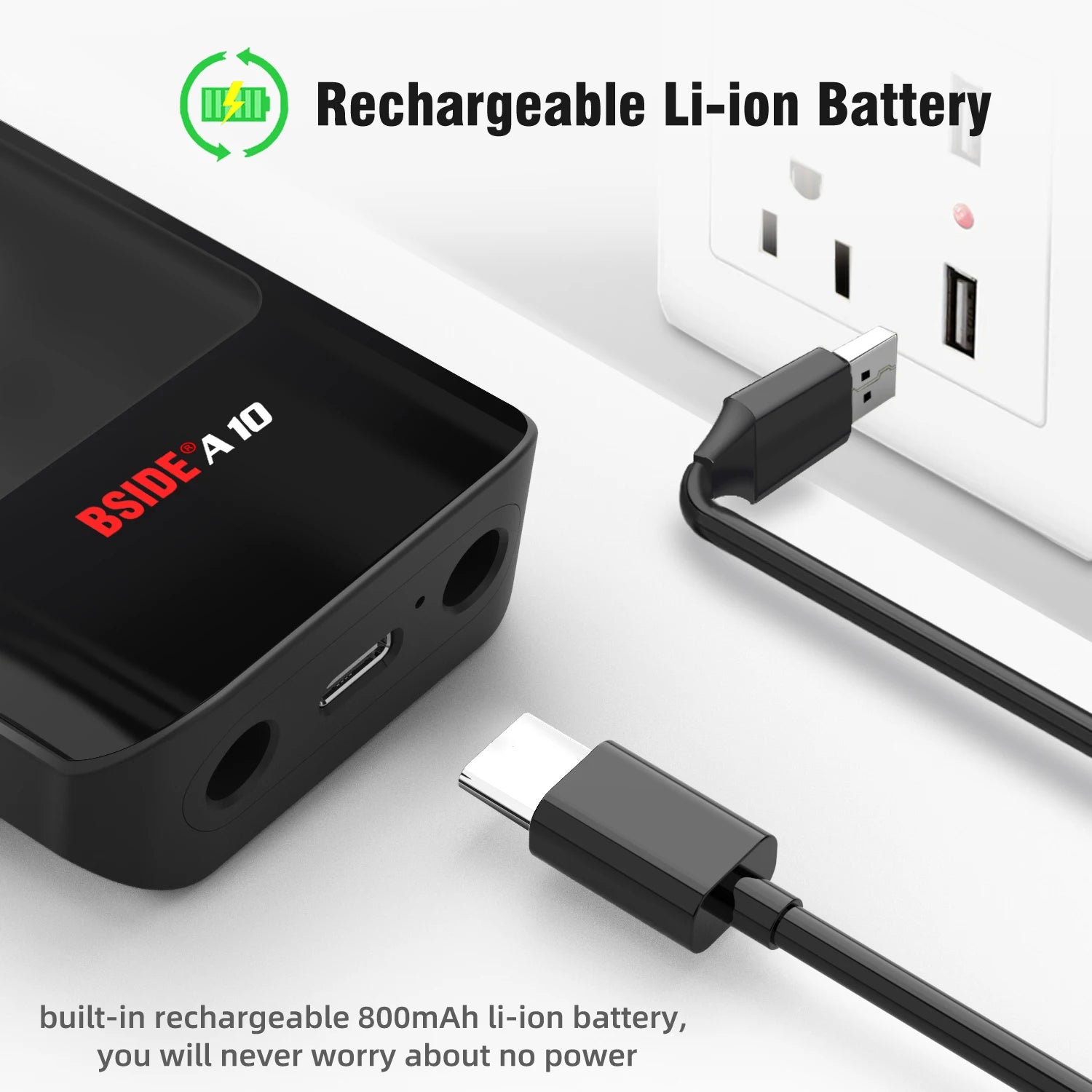
- Rechargeable battery
Must-have for HVAC:
- Clamp current
- Capacitance
- Temperature
- Microamps
- True RMS
Nice-to-have:
- App connectivity
- Dual display
- Data recording
- Built-in work light
Must-have for electronics repair:
- Stable low-voltage readings
- Resistance accuracy
- Diode mode
- Continuity
- Fine probes
Nice-to-have:
- Oscilloscope mode
- Signal generator
- Graphing
- USB charging
- Data storage
Step 4: Compare brands by role, not reputation alone
A brand can be excellent and still not be the best fit for your task.
Fluke may be ideal for a professional electrician. Fieldpiece may be more suitable for HVAC. Rigol or Siglent may be better for bench oscilloscope work. BSIDE may be more practical for a user who wants portable, multi-function diagnostics without buying several separate tools.
The research question should not be:
“Which brand is best?”
It should be:
“Which brand and model best fit my work, safety needs, and budget?”
9. When a Standard Multimeter Is Enough
A standard digital multimeter is enough when you mostly need:
- Voltage measurement
- Resistance checks
- Continuity testing
- Battery testing
- Basic outlet troubleshooting
- Simple electronics repair
- General household diagnostics
For homeowners, students, and light electronics users, a standard multimeter may be the most sensible first purchase.
However, even for basic use, avoid buying only by the lowest price. A poor-quality meter can give unstable readings, slow continuity response, weak probes, or inadequate protection.
A good basic multimeter should feel predictable, safe, and easy to use.
10. When You Should Consider a Clamp Meter
A clamp meter becomes important when current measurement is part of your work.
Unlike a standard multimeter, a clamp meter can measure current around a conductor without breaking the circuit. This makes it useful for:
- HVAC motors
- Electrical panels
- Appliances
- Industrial equipment
- Service diagnostics
- Load checks
- Troubleshooting current draw
For electricians and HVAC technicians, a clamp meter may be more practical than a standard multimeter as a daily tool.
Search Reddit for:
- best clamp meter for electricians
- best clamp meter for HVAC
- clamp meter vs multimeter
- True RMS clamp meter recommendation
- Fluke vs Klein clamp meter
- Fieldpiece clamp meter HVAC
If you frequently measure current, do not treat a clamp meter as an optional upgrade. It may be the better primary tool.
11. When You Should Consider a Thermal Imager
A thermal imager does not replace a multimeter, but it can change how you diagnose problems.
A multimeter tells you electrical values. A thermal imager shows temperature patterns.
That makes thermal imaging useful for:
- Electrical panel hotspots
- Overheating terminals
- HVAC airflow problems
- Pipe temperature tracing
- Building heat loss
- Motor and bearing inspection
- Preventive maintenance
- Equipment comparison
For example, a thermal imager can help you quickly identify an abnormal hotspot in an electrical panel. After that, you still confirm the issue with proper electrical testing. The thermal imager helps you find where to look first.
This is why thermal imagers are increasingly useful for maintenance teams. They reduce guesswork.
For buyers comparing options, BSIDE HX thermal imagers can be considered alongside larger thermal imaging brands when the priority is practical inspection, portability, and accessible pricing.
Search Reddit for:
- thermal camera electrical panel
- thermal imager for HVAC
- FLIR vs Testo thermal camera
- thermal camera for building inspection
- cheap thermal imager worth it
- thermal imaging for maintenance
The most important point is interpretation. A hot area is a clue, not always a final diagnosis.
12. When You Should Consider a Handheld Oscilloscope
A multimeter shows numerical values. An oscilloscope shows signal behavior over time.
This matters when the problem involves:
- Waveforms
- Pulses
- Intermittent signals
- Sensors
- PWM control
- Automotive signals
- Electronic circuits
- Power supply behavior
- Signal output testing
A bench oscilloscope is usually better for serious electronics lab work. However, a handheld oscilloscope or oscilloscope-style multimeter can be useful for field diagnostics where portability matters.
This is where multi-function tools like the BSIDE O9 become relevant. A user who needs basic waveform viewing, multimeter functions, signal output, and current measurement support may prefer one compact tool instead of carrying several devices.
Search Reddit for:
- handheld oscilloscope recommendation
- oscilloscope multimeter combo
- portable oscilloscope for field work
- signal generator oscilloscope beginner
- Rigol vs Siglent oscilloscope
- handheld oscilloscope for automotive diagnostics
A handheld oscilloscope is not always a replacement for a full bench oscilloscope. But for many field users, it can be more convenient.
13. A Practical Decision Matrix
Use this framework before buying.
|
Work Type |
Best Starting Tool |
Useful Add-On |
Common Brands to Research |
|---|---|---|---|
|
Home electrical checks |
Digital multimeter |
Non-contact voltage tester |
Klein, BSIDE, Fluke |
|
Professional electrical work |
CAT-rated multimeter or clamp meter |
Thermal imager |
Fluke, Klein, BSIDE |
|
HVAC service |
HVAC clamp meter |
Thermal imager |
Fieldpiece, Fluke, Klein, BSIDE |
|
Electronics repair |
Digital multimeter |
Oscilloscope, signal generator |
Rigol, Siglent, BSIDE |
|
Industrial maintenance |
Clamp meter |
Thermal imager, oscilloscope |
Fluke, FLIR, Testo, BSIDE |
|
Building inspection |
Thermal imager |
Moisture meter, multimeter |
FLIR, Testo, BSIDE |
|
Field diagnostics |
Multi-function tester |
Clamp accessory |
BSIDE, Fluke, Klein |
The purpose of this table is not to rank brands. It is to match tools with work.
14. How to Ask Reddit a Better Question
If you want useful answers, write your Reddit question like a technician, not like a shopper.
Weak question:
“What is the best multimeter?”
Better question:
“I am an HVAC apprentice looking for my first meter. I need to check voltage, capacitance, temperature, current draw, and flame sensors. I want something reliable but not too expensive. Should I start with a clamp meter or a standard multimeter?”
Weak question:
“Is this multimeter good?”
Better question:
“I do electronics repair and low-voltage testing. I need stable resistance readings, fast continuity, diode testing, and occasional waveform checking. Would a multimeter be enough, or should I consider a handheld oscilloscope-style tool?”
Weak question:
“What thermal camera should I buy?”
Better question:
“I work in building maintenance and want to inspect electrical panels, HVAC airflow, hot-water pipes, and heat loss. I know thermal imaging does not replace electrical testing, but I want a tool to identify problem areas faster. What specs should I compare?”
The more context you provide, the more valuable Reddit becomes.
15. Common Mistakes When Using Reddit for Tool Research
Mistake 1: Trusting the loudest opinion
A strong opinion is not the same as a useful recommendation. Look for repeated patterns across multiple threads.
Mistake 2: Ignoring safety
Price matters, but safety matters more. This is especially true for electrical work near panels or high-energy systems.
Mistake 3: Buying too much tool
A beginner does not always need the most expensive meter. Buying a tool you do not understand can slow learning rather than improve it.
Mistake 4: Buying too little tool
A cheap meter may be fine for batteries, but not suitable for professional electrical work. Do not use a low-grade tool in an environment it was not designed for.
Mistake 5: Comparing brands without comparing use cases
Fluke, Klein, Fieldpiece, FLIR, Testo, Rigol, Siglent, and BSIDE all serve different types of users. The right choice depends on the job.
Mistake 6: Forgetting workflow
A meter can be technically capable but frustrating to use. Read comments about display, continuity response, clamp size, leads, button layout, and portability.
16. A Research Checklist Before Buying
Before purchasing, answer these questions:
- What work will I use this tool for most often?
- Am I working with low voltage, residential voltage, HVAC equipment, panels, or industrial systems?
- What safety rating do I need?
- Do I need current measurement?
- Do I need capacitance, temperature, or microamps?
- Do I need True RMS?
- Do I need waveform viewing?
- Do I need thermal imaging?
- Will I use this daily or occasionally?
- Do I need a premium professional tool or a value-focused practical tool?
- What do Reddit users in my specific field recommend?
- What complaints appear repeatedly?
- Does the tool match my workflow?
- Are replacement leads, accessories, and support available?
- Would one multi-function tool be more useful than several separate tools?
If you cannot answer these questions, keep researching before buying.
17. Where BSIDE Fits in the Research Process
A balanced research process should include premium brands, trade-focused brands, specialist brands, and value-focused alternatives.
BSIDE is worth considering when your priority is practical diagnostic capability at an accessible price. It is especially relevant for users who want modern features, portable designs, and multi-function tools.
For example, someone comparing standard multimeters may also discover that a clamp meter is more useful for their work. Someone researching electrical inspection may realize that a thermal imager helps identify hotspots faster. Someone doing electronics repair may find that a handheld oscilloscope-style tool provides more insight than a basic meter alone.
This is where BSIDE’s broader product range becomes useful:
- Digital multimeters for everyday electrical testing
- Clamp meters for current measurement
- Thermal imagers for heat-based inspection
- Handheld oscilloscope-style tools for waveform diagnostics
- Accessories and test leads for field work
BSIDE should not be presented as the only answer. No brand should be. But it can be a smart comparison choice for technicians, maintenance users, electronics repair users, and advanced DIY buyers who want practical tools without immediately moving into the highest price tier.
18. Final Conclusion
Reddit is not a perfect buying guide, but it is one of the most useful places to understand how testing tools perform in real work.
The best multimeter is not always the most expensive one. It is not always the most popular one. It is not always the one with the biggest display count or the longest specification list.
The best multimeter is the one that fits your work.
For electricians, that may mean safety rating, durability, and trusted performance. For HVAC technicians, it may mean clamp current, capacitance, temperature, and workflow. For electronics repair, it may mean low-voltage accuracy, continuity speed, and possibly oscilloscope capability. For maintenance teams, it may mean combining a multimeter with a clamp meter, thermal imager, or portable diagnostic tool.
Use Reddit carefully. Search by your actual work. Read comments from people who do similar jobs. Compare repeated patterns, not isolated opinions. Understand why people recommend Fluke, Klein, Fieldpiece, FLIR, Testo, Rigol, Siglent, or BSIDE.
A good tool should help you work safer, diagnose faster, and reduce guesswork.
That is the real meaning of finding the best multimeter for your work.